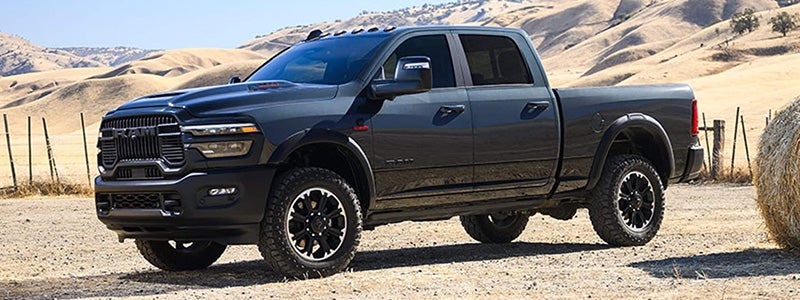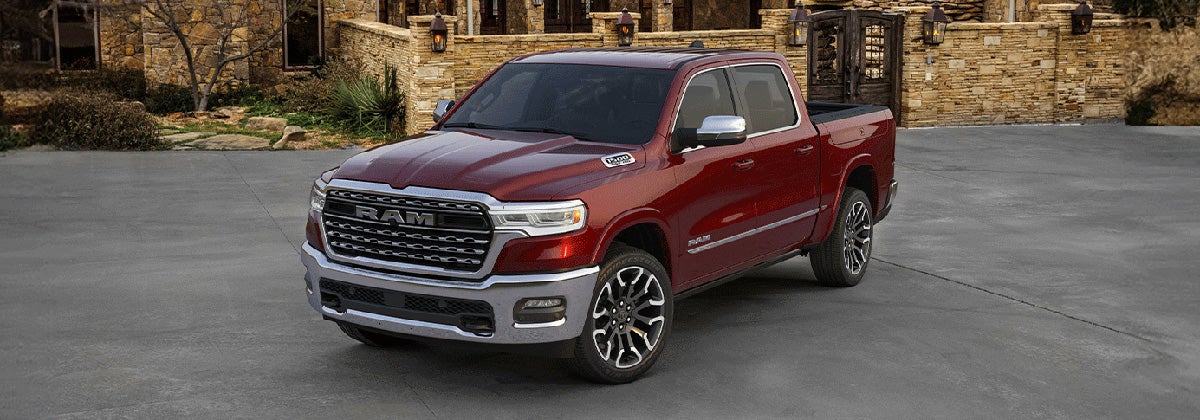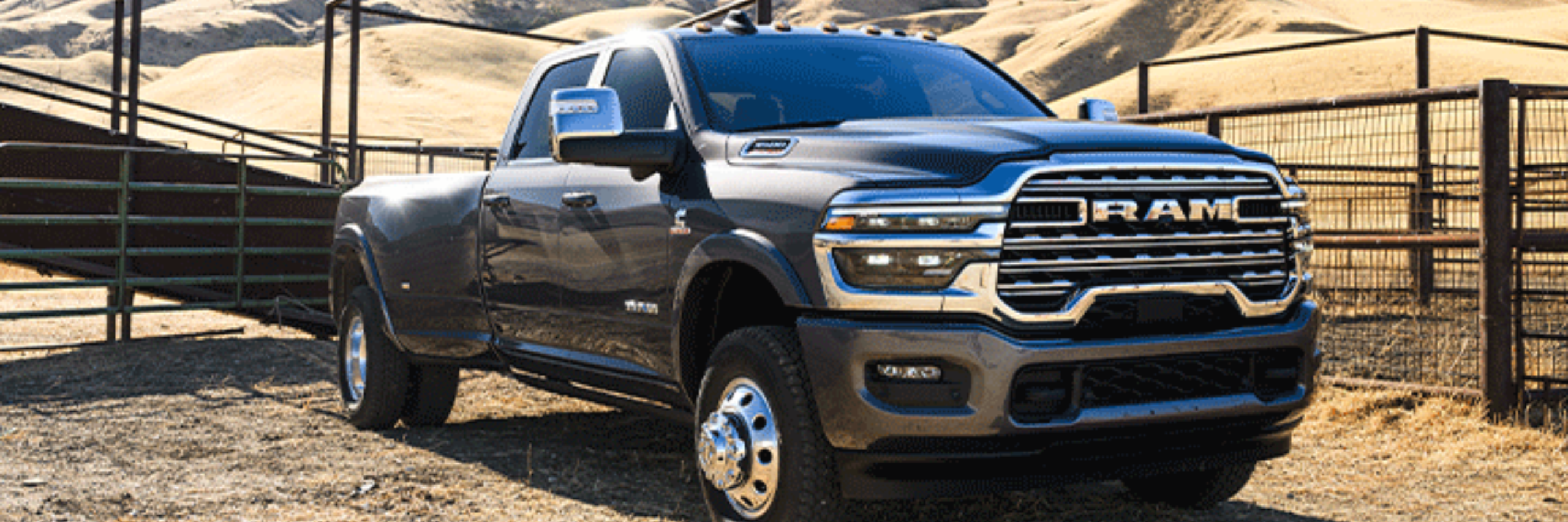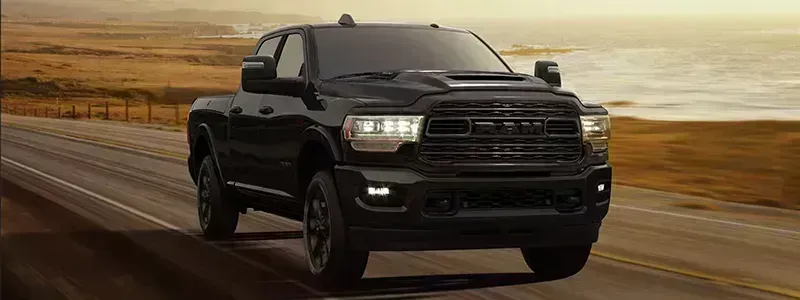





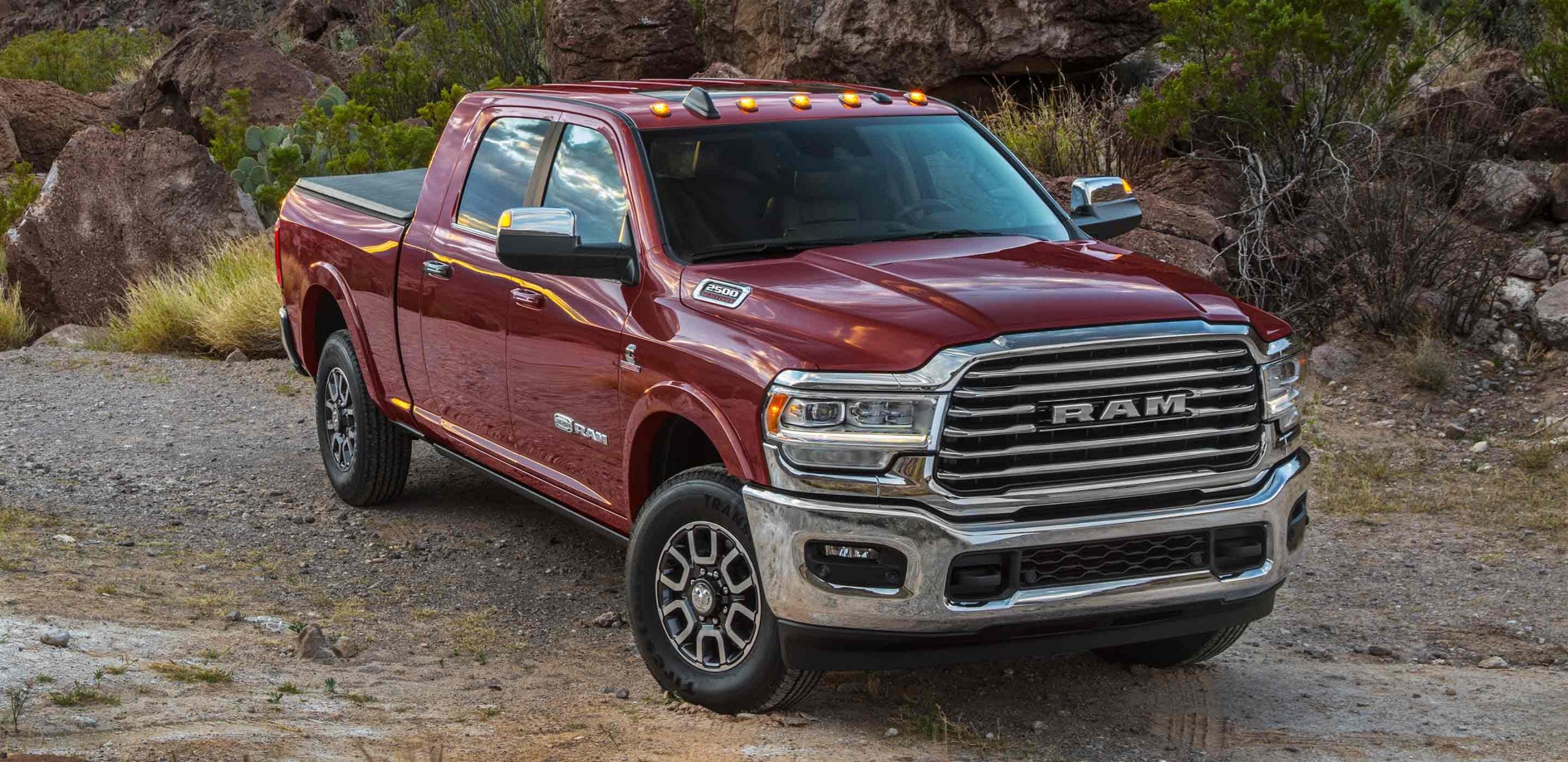
Whether you're a first-time heavy-duty truck buyer or a seasoned owner looking to upgrade, the RAM 2500 is one of the most talked-about vehicles in its class. This guide is designed to give you a thorough, straightforward look at what the RAM 2500 offers — from powertrain options and towing capacity to trim levels, technology features, and real-world considerations. Our goal is simply to give you the information you need to make the best decision for your lifestyle. Understanding the RAM 2500 Lineup The RAM 2500 is a three-quarter-ton heavy-duty pickup truck built to handle demanding tasks that light-duty trucks aren't rated for. It's available in a wide variety of configurations, trim levels, and powertrain combinations — which means there's a lot to consider before you buy or order. Cab and Bed Configurations: Regular Cab (two-door) Crew Cab (four-door, full rear seat) Mega Cab (four-door, extra rear legroom) Available bed lengths include a 6'4" standard bed and an 8' long bed, depending on cab configuration. Powertrain Options One of the most important decisions RAM 2500 buyers face is the choice between the two available engines. Both are well-regarded in their respective segments. Feature 6.4L HEMI V8 (Gas) 6.7L Cummins Turbo Diesel Horsepower 410 hp Up to 420 hp Torque 429 lb-ft Up to 1,075 lb-ft Transmission 8-Speed Automatic 6-Speed Auto or Aisin 6-Speed Auto Max Towing (approx.) Up to 14,710 lbs Up to 20,000 lbs Max Payload (approx.) Up to 3,990 lbs Up to 3,160 lbs Fuel Type Gasoline Diesel Typical Use Case Moderate-to-heavy towing, everyday driving Maximum towing, commercial/fleet use Note: Actual towing and payload figures vary by cab, bed, axle ratio, and configuration. Always refer to the specific window sticker and RAM's towing guide for your exact build. The 6.4L HEMI is generally preferred by buyers who want lower upfront cost, flexibility at any fuel station, and strong everyday performance. The 6.7L Cummins Turbo Diesel is typically favored by those who tow frequently, haul heavy loads consistently, or put high mileage on their truck over time. Trim Levels at a Glance The RAM 2500 is offered across several trim levels, each stepping up in features, comfort, and technology. Here's a general overview: Tradesman The entry-level trim focuses on work-ready durability. It includes vinyl flooring, manual windows in some configurations, and a straightforward feature set built around capability. Big Horn / Lone Star A popular mid-range choice that adds comfort upgrades, an 8.4-inch Uconnect touchscreen, upgraded upholstery, and chrome exterior accents. This trim is commonly selected by buyers who want capability alongside everyday comfort. LaRAMie Introduces leather-trimmed seats, heated front seats and steering wheel, remote start, and additional technology and convenience packages. LaRAMie Longhorn Adds premium interior materials, genuine wood interior trim, and exclusive Longhorn badging and accents for buyers who want a ranch-inspired aesthetic with upscale finishes. Limited The near-top-of-lineup trim featuring a high-content interior with real wood and metal accents, a 12-inch digital cluster, premium audio, and an extensive list of standard technology features. Limited Black Appearance / Night Edition Appearance packages that swap exterior chrome for gloss black or body-color finishes, appealing to buyers who prefer a blacked-out look. Power Wagon A unique off-road-focused variant built specifically for go-anywhere capability. It includes a WARN front winch, disconnecting front sway bar, locking front and rear differentials, and a lifted suspension — all from the factory. Note that the Power Wagon is available only with the 6.4L HEMI and has a lower towing capacity than comparable diesel configurations due to its off-road-focused setup. 4x4 and Suspension Options The RAM 2500 is available in both 4x2 (rear-wheel drive) and 4x4 configurations. Buyers who select 4x4 can choose between: Part-Time 4x4: Standard on most configurations. Designed for use on slippery or off-road surfaces, not for everyday pavement driving in 4WD mode. Auto 4WD: Available on select trims. Automatically shifts between 2WD and 4WD as conditions require. Suspension choices include: Coil-Link Rear Suspension — Offers a smoother ride quality and better articulation, a feature the RAM 2500 is often noted for compared to competitors. Leaf-Spring Rear Suspension — Standard on certain configurations, known for high payload capacity. Technology and Connectivity Modern RAM 2500 models are equipped with Stellantis's Uconnect infotainment platform, available in two main screen sizes: 8.4-inch Uconnect 5 — Standard on mid-range and above trims 12-inch Uconnect 5 — Available on higher trim levels Both systems support: Apple CarPlay and Android Auto (wireless on select builds) Integrated navigation Multiple USB-A and USB-C ports Available 4G LTE Wi-Fi hotspot Over-the-air software updates Driver Assistance & Safety Features (availability varies by trim and package): Adaptive Cruise Control with Stop-and-Go Forward Collision Warning with Automatic Emergency Braking Blind-Spot Monitoring with Trailer Detection Rear Cross-Path Detection Surround-View Camera System ParkSense Front/Rear Park Assist Towing & Hauling: What to Know The RAM 2500's towing and payload numbers can vary considerably based on how the truck is configured. Before purchasing, it's essential to identify: Your intended gross trailer weight (GTW) — the total weight of the trailer and its contents Your tongue weight — typically 10–15% of GTW Your required payload — everything in the bed and cab plus hitch weight Key towing terms to understand: GVWR (Gross Vehicle Weight Rating): Maximum allowable weight of the fully loaded truck itself GCWR (Gross Combined Weight Rating): Maximum combined weight of truck and trailer Payload Capacity: How much weight the truck can carry in the bed and cab Fifth-Wheel/Gooseneck Prep: Available on select models for heavy equipment and RV hauling Always consult the RAM towing guide for your specific build configuration, and work with our team to match your truck's configuration to your actual needs. Fuel Economy Considerations Heavy-duty trucks are not EPA-rated for fuel economy the way passenger cars are, which can make comparisons tricky. General real-world observations include: Engine Typical Highway MPG Range* 6.4L HEMI V8 ~12–16 mpg (unloaded) 6.7L Cummins Diesel ~15–20 mpg (unloaded) These are general estimates based on typical real-world driving and vary significantly based on load, terrain, driving habits, and configuration. Fuel economy is not an EPA-rated specification for Class 2 heavy-duty trucks. The diesel's efficiency advantage often becomes more meaningful at higher annual mileage or when towing heavy loads regularly, factors that can offset its higher upfront cost over time for some buyers. RAM 2500 vs. RAM 1500: Knowing the Difference A question we hear often is whether a buyer actually needs a 2500 or whether a RAM 1500 would suit their needs. Here are some general considerations: The RAM 1500 may be worth considering if you: Tow under 10,000 lbs occasionally Prioritize fuel efficiency and daily drivability Don't regularly haul heavy payloads Prefer a lighter, more car-like ride The RAM 2500 is typically a better fit if you: Regularly tow more than 10,000–12,000 lbs Need maximum payload capacity Operate in commercial or demanding work environments Want fifth-wheel or gooseneck capability Require maximum durability under sustained heavy use There is no universally "right" answer. The best truck is the one that fits your actual workload. Frequently Asked Questions What is the maximum towing capacity of the RAM 2500? The RAM 2500 is rated to tow up to approximately 20,000 lbs when properly equipped with the 6.7L Cummins Turbo Diesel and a fifth-wheel hitch configuration. Conventional towing capacity is lower. Always verify the figures for the specific build you're considering. Is the Cummins diesel worth the extra cost? It depends on your use case. The Cummins diesel commands a significant upfront premium — typically $10,000 or more over the HEMI. Buyers who tow heavy loads frequently or put high mileage on their truck often find the diesel's performance and efficiency justify the cost. Lighter users may find the HEMI more economical overall. Can I use a RAM 2500 as a daily driver? Many RAM 2500 owners use their trucks daily. Higher trim levels offer a genuinely comfortable ride and modern amenities. That said, heavy-duty trucks handle differently than light-duty pickups or SUVs, and real-world fuel costs should be factored into your decision. What's the difference between the Power Wagon and other 4x4 RAM 2500 models? The Power Wagon is a factory off-road package exclusive to the RAM 2500 with the 6.4L HEMI. It includes a WARN 12,000-lb winch, front and rear locking differentials, a disconnecting front sway bar, and a factory lift. It is purpose-built for serious off-road use but trades some towing capability compared to the diesel-equipped models. Does the RAM 2500 require DEF (Diesel Exhaust Fluid)? Yes. RAM 2500 models equipped with the 6.7L Cummins Turbo Diesel use a Selective Catalytic Reduction (SCR) system that requires periodic DEF refills. DEF is widely available at most auto parts stores and fuel stations. The truck will alert you when the DEF level is low. What's the difference between fifth-wheel and gooseneck towing? Both involve hitches mounted in the truck bed over the rear axle, which distributes trailer weight more effectively than a conventional ball hitch. Fifth-wheel hitches use a kingpin-and-plate connection common on RVs and large campers. Gooseneck hitches use a ball-and-coupler setup common in agriculture, construction, and livestock hauling. The RAM 2500 can be configured to accommodate either with available prep packages. How often does the RAM 2500 need service? Recommended service intervals vary by engine and driving conditions. The 6.4L HEMI uses conventional oil service intervals (typically every 5,000–8,000 miles depending on conditions and oil type). The 6.7L Cummins Diesel has its own service schedule, including oil, fuel filters, and DEF. Always consult your owner's manual and follow the RAM scheduled maintenance guide for your specific model year. Is the Mega Cab available on all configurations? No. The Mega Cab is not available on all trim levels or with all bed configurations. It is generally paired with the shorter 6'4" bed. If maximum cab room is a priority, check availability on the specific trim and powertrain you're considering. What does the RAMBox option add? RAMBox is an optional integrated storage system built into the sides of the truck bed. The locking, weatherproof bins provide secure, accessible storage without taking up bed space. It is available on select trims and not compatible with all bed configurations. Test Drive the RAM 2500 at Waldorf CDJR Today! Making the right decision on a heavy-duty truck is a significant one, and we understand that no blog post — no matter how thorough — can replace an in-person conversation and the chance to actually sit in the seat, hear the engine, and see your options in person. At Waldorf Chrysler Dodge Jeep RAM, our team is here to walk you through every configuration, answer your towing and hauling questions honestly, and help you find the exact build that fits your work, your lifestyle, and your budget. Whether you're ready to purchase, still in the research phase, or just want to ask a few questions before you commit, we'd love to have you come in. Browse our current RAM 2500 inventory online, contact us, or stop by the dealership — we'll take as much time as you need. There's no pressure here, just straightforward help from people who know these trucks inside and out. Specifications, configurations, pricing, and availability are subject to change. Towing and payload figures depend on specific vehicle configuration. Always refer to your vehicle's window sticker, owner's manual, and the manufacturer's towing guide for exact figures applicable to your build.
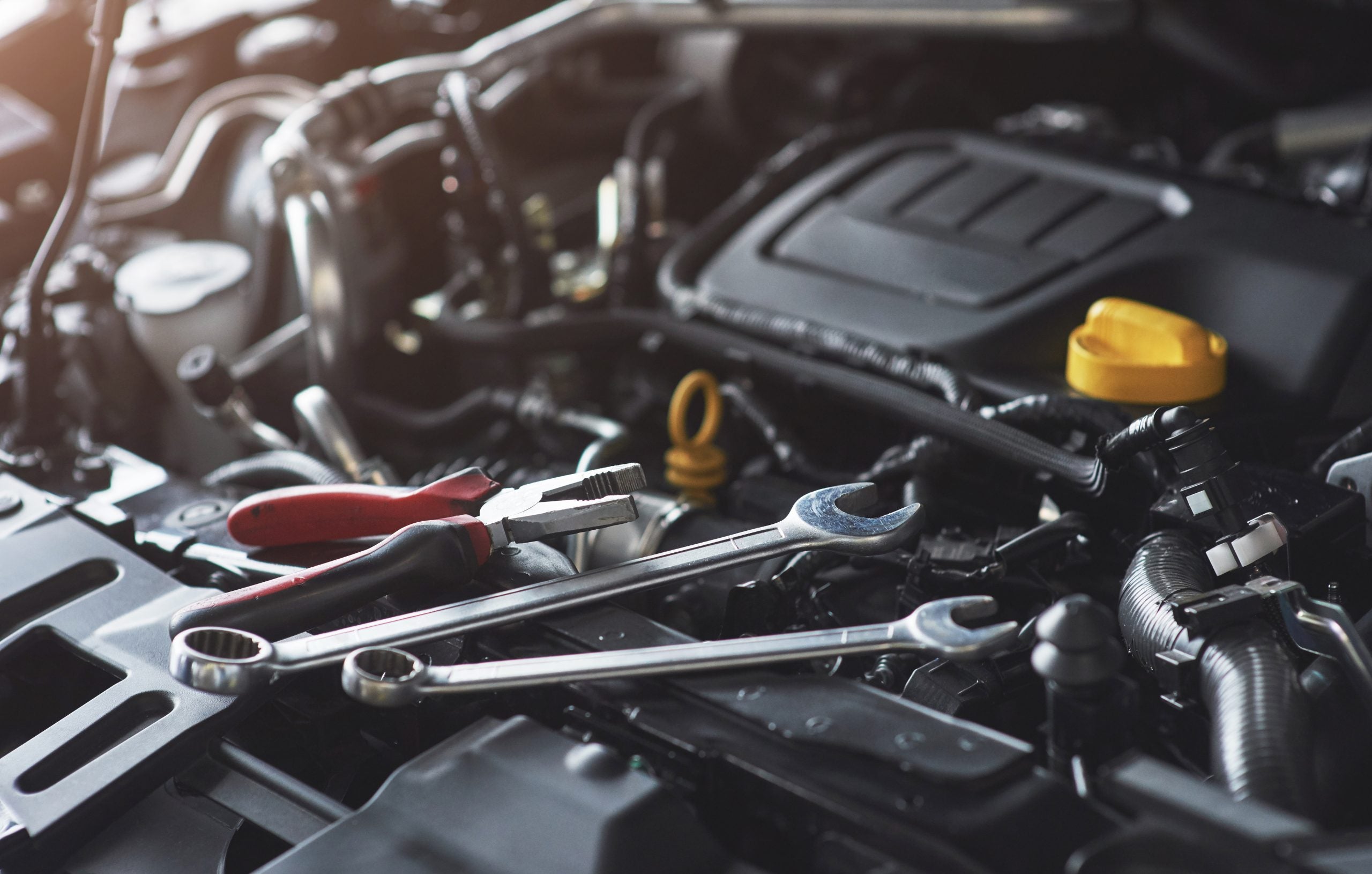
Chrysler Dodge Jeep RAM Summer Service Guide | Waldorf CDJR
As the summer months bring rising temperatures to Southern Maryland, vehicle maintenance becomes an essential consideration for drivers. High temperatures, extended road trips, and increased humidity can place additional stress on crucial automotive components. Staying proactive with a regular chrysler dodge jeep ram maintenance routine ensures your vehicle remains reliable, efficient, and prepared for seasonal driving demands. This guide provides an informational overview of essential summer vehicle maintenance tips to help you keep your car, truck, or SUV performing optimally. Whether you are commuting locally or preparing for a longer regional journey, utilizing certified professional care is a practical way to safeguard your vehicle's longevity. Understanding the Impact of Summer Heat on Vehicles Summer weather presents unique challenges for modern vehicles. Prolonged exposure to heat accelerates fluid breakdown, increases electrical strain, and alters tire pressure. Addressing these factors before they lead to mechanical wear helps preserve component integrity and overall vehicle health. For drivers seeking auto repair waldorf maryland, prioritizing preventative seasonal care helps ensure that your vehicle handles local traffic and changing road conditions efficiently. Key areas requiring attention during the warmer months include cooling systems, electrical components, and tire management. Essential Summer Maintenance Checklist To maintain optimal operational safety and efficiency, several core automotive systems should be inspected and serviced periodically throughout the summer: Oil Change Service: Engine oil reduces friction and helps dissipate heat within the engine block. High summer temperatures can thin motor oil, reducing its lubricating effectiveness. Timely oil changes help protect internal engine components from excessive wear and overheating under heavy loads or stop-and-go driving conditions. Battery Service: While winter cold is known for draining battery power, summer heat is actually more damaging to automotive batteries. High under-hood temperatures accelerate internal corrosion and cause battery fluid to evaporate more quickly. Routine testing helps prevent unexpected electrical failure. Tire Service: Tire pressure fluctuates with outdoor temperatures. Underinflated tires generate excess heat, increasing the risk of tread damage or blowouts on hot pavement. Routine pressure checks, wheel alignment inspections, and tire rotations promote even wear and maintain proper traction. Transmission Service: The transmission relies heavily on clean fluid to manage gear transitions and control operating temperatures. Towing heavy loads or navigating summer traffic increases transmission heat. Routine fluid checks ensure fluid levels and quality are sufficient to protect vital internal gears from thermal stress. Automotive Systems at a Glance System Component Summer Maintenance Task Purpose Engine Lubrication Oil Change Service Minimizes friction and helps dissipate engine heat. Electrical System Battery Service Checks charge levels and prevents heat-induced corrosion. Powertrain Transmission Service Maintains fluid quality to prevent overheating during gear shifts. Tires & Wheels Tire Service Adjusts inflation pressures and ensures proper tread depth. Utilizing Certified Automotive Support When addressing seasonal service needs, working with factory-trained professionals ensures that tasks are performed to exact manufacturing standards. The Mopar Service Department at Waldorf CDJR utilizes specialized diagnostic equipment designed specifically for Chrysler, Dodge, Jeep, and RAM models. For those who prefer to handle minor maintenance tasks independently or need replacement components, the onsite Parts Department provides direct access to original equipment manufacturer (OEM) parts. These components are engineered precisely for your vehicle's specific make and model, ensuring correct fitment and long-term durability. Drivers can also consult the current Parts & Service Specials to view available maintenance opportunities throughout the season. Frequently Asked Questions How often should tire pressure be checked during the summer? Tire pressure should ideally be monitored at least once a month, as well as before any long road trips. Because air expands when heated, always check the pressure in the morning when the tires are cool to obtain the most accurate reading recommended by the manufacturer. What are the signs that a vehicle battery is struggling in the heat? Common indicators of a weakening battery include a slow engine crank when starting the vehicle, dimming interior or exterior lights, or the appearance of the battery warning light on the dashboard. A professional voltage test can accurately determine the remaining life of the battery. Why is a cooling system inspection important for summer driving? The cooling system prevents engine overheating by circulating coolant through the engine and radiator. An inspection checks for proper fluid levels, coolant degradation, and potential leaks in the hoses or water pump, which are critical for preventing heat-related breakdowns. Visit the Waldorf CDJR Mopar Service Department Maintaining your vehicle’s performance requires consistent care, expert knowledge, and the proper resources. The team at Waldorf CDJR is dedicated to helping drivers navigate summer maintenance needs efficiently and safely. When you are ready to address your vehicle’s seasonal maintenance or require a comprehensive multi-point inspection, you can easily schedule service online to find a time that fits your schedule. Our professional service advisors are available to answer your technical questions and assist with your maintenance requirements. We invite you to contact us or visit Waldorf CDJR today to explore our service capabilities and ensure your vehicle is fully prepared for the road ahead. Whether you are driving in from Alexandria, Washington D.C., Arlington, St. Charles, or Clinton, our local facility is fully equipped to handle your automotive needs.